
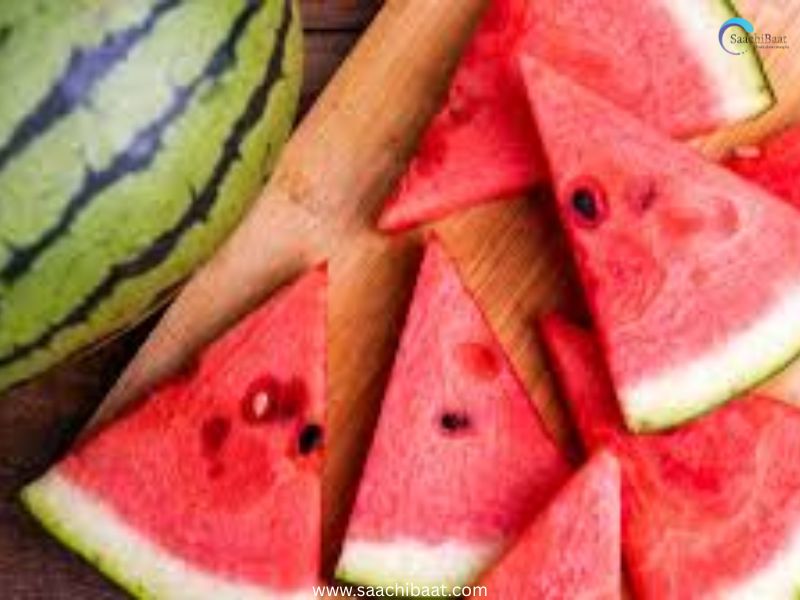
Come summer, the two fruits I often recommend to counter the rising temperature are watermelon and raw mango. Of the two, watermelon scores higher for its excellent rehydration properties, making it one of the most effective and refreshing summer foods.
Photo by Sahand Babali on Unsplash
The recent tragedy in Mumbai linked to watermelon consumption has understandably raised serious concerns and brought the fruit under scrutiny. We don’t know for certain if the problem was with the fruit itself or exposure to a specific toxin that led to the unfortunate incident. Investigations are ongoing, and we’ll have to wait for clarity until the findings are confirmed.
Fear around consuming watermelon has begun to spread and the sales are plummeting, depriving many of a fruit that is otherwise both nutritious and beneficial during the summer months.
Concerns around food safety are not new. A commonly discussed issue is the alleged practice of injecting watermelons with dyes or sweeteners to enhance their appearance and taste. In reality, this is unlikely to be a widespread concern. Injecting a fruit that has a thick rind is neither easy nor cost-effective, and such tampering is often detectable through simple checks at home.
For instance, the cotton ball test involves gently rubbing a clean cotton ball or tissue across the cut surface of the fruit. If it turns pink or red, it may indicate the presence of added dye. Another method is placing a small piece of the fruit in a glass of water. If the water quickly changes colour, it could suggest artificial colouring, but if it remains clear, the fruit is likely unadulterated.
While such concerns are often highlighted, more pressing issues tend to lie elsewhere, particularly in the use of chemical ripening agents and excessive pesticide residues during cultivation.
What to be cautious about
Chemical ripening: The use of calcium carbide to artificially ripen fruits is a known practice among some vendors. This chemical may release traces of arsenic and phosphorous compounds, which can be harmful to health.
Pesticide residue: Excessive use of pesticides, including carbamates, can lead to symptoms such as nausea, vomiting and food poisoning if residues remain on the fruit.
Adulteration: Although less common, the possibility of adding colourants such as erythrosine or sweeteners like saccharin is often cited as a concern.
Storage and hygiene: Poor storage conditions can make cut fruits vulnerable to bacterial contamination. Safe handling practices play a critical role in reducing risk.
How to choose the right watermelon
While it is useful to be aware of potential risks, the focus should be on identifying quality produce at the time of purchase.
Look for watermelons that are symmetrical in shape, without irregular bumps or bruises. A buttery yellow patch on the underside (where the fruit rested on the ground) indicates natural ripening. If this patch is absent or appears white, the fruit may have been harvested too early.
The thump test can also be helpful. A ripe watermelon produces a deep, hollow, drum-like sound when tapped, while a dull thud may indicate that it is overripe or lacking in juiciness.
It is also worth examining the rind closely. Small pin-sized holes or dark, localised spots may warrant caution, as these could indicate external interference. Such fruits are best avoided.
How to handle and store the fruit at home
Once the watermelon is brought home, simple hygiene practices can significantly reduce risk.
Wash the whole fruit: Before cutting, rinse the watermelon thoroughly under running water. Using a soft brush can help remove dirt or residue from the surface. This step prevents contaminants on the rind from being transferred to the edible portion during cutting.
Check the seeds: Watermelon seeds are typically black or brown. If the flesh is red but the seeds appear unusually white, it may indicate artificial ripening or other irregularities.
Smell and texture: A fresh watermelon should have a clean, mild aroma. If the flesh smells pungent or chemical-like, or feels mushy or slimy, it is best discarded as a sign of spoilage.
Storage: Once cut, watermelon should be refrigerated and ideally consumed within 24 hours. Any sour or fermented smell indicates that it is no longer safe to eat.
Being aware of these factors allows us to make informed choices without unnecessary fear. Watermelon continues to be one of the most hydrating and cooling fruits of the season, and with a few simple precautions, it can be safely enjoyed.
Incidents such as the recent tragedy are a reminder of the importance of vigilance across the food chain, from the time of cultivation to that of consumption. At an individual level, awareness and careful selection go a long way in ensuring both safety and nourishment.
 |
Ms. Neelanjana Singh, Nutrition Consultant & Author |
