
The Supreme Court of India is likely to deliver a landmark judgment that will decide the legal standing of thousands of Rohingya residing in India — if they are to be declared refugees who have come from persecution or illegal migrants who arrived without proper papers. The verdict, due in a matter of weeks, would have profound ramifications for India’s policy on refugees as well as its domestic security.
Background: Who are the Rohingya?
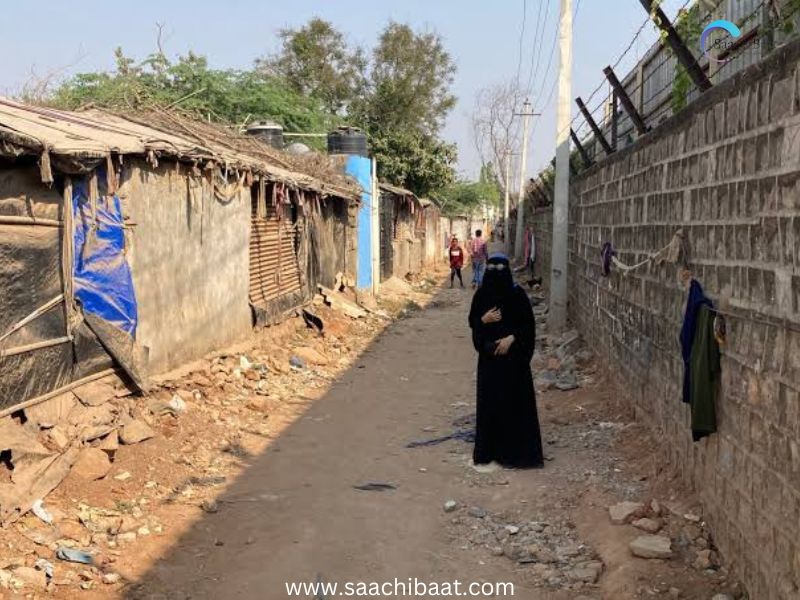
The Rohingya are an ethnic Muslim minority group from Myanmar’s Rakhine state. Hundreds of thousands have fled since 2012, and particularly following a 2017 military crackdown, to neighboring nations, such as Bangladesh and India, alleging violence and ethnic cleansing. India presently hosts at least 40,000 Rohingya, with the majority residing in makeshift camps in Jammu & Kashmir, Delhi, Haryana, and Uttar Pradesh states.
The legal conundrum: No refugee legislation in India
India is not a party to the 1951 UN Refugee Convention or its 1967 Protocol. Consequently, there is no formal refugee protection system in place. This creates a vacuum in law under which the government has tended to treat unauthorized migrants — including asylum seekers such as the Rohingya — as illegal aliens under the Foreigners Act, 1946 and the Citizenship Act, 1955.
Center’s position: The Rohingya are a security risk
The Center has insisted that the presence of Rohingyas is a national security issue. It contends there have been indications of Rohingya groups having contacts with terror groups. In its earlier affidavits to the court, the Home Ministry asserted that permitting their further presence would lead to more illegal immigrants, putting pressure on resources and causing demographic imbalances in sensitive areas.
Rohingya appeal: Claiming protection as refugees
Conversely, human rights groups and some of the Rohingya petitioners have contended that deportation would be a violation of Article 21 of the Constitution – the right to life. They hold that the Rohingya are persecuted and stateless and that India, being a democratic country, has both a moral and constitutional duty to safeguard their lives.
SC’s judgment may influence refugee policy
The top court’s decision will soon determine whether India should accept the Rohingya as refugees entitled to protection under universal norms of human rights or insist on the government’s view that they are illegal immigrants who must be deported. Legal experts maintain the judgment could have a precedential value in how future refugee cases are treated in India, particularly due to the country’s lack of a holistic national asylum law.
××××××××××××××
Telegram Link :
For latest news, first Hand written articles & trending news join Saachibaat telegram group
https://t.me/joinchat/llGA9DGZF9xmMDc1
