
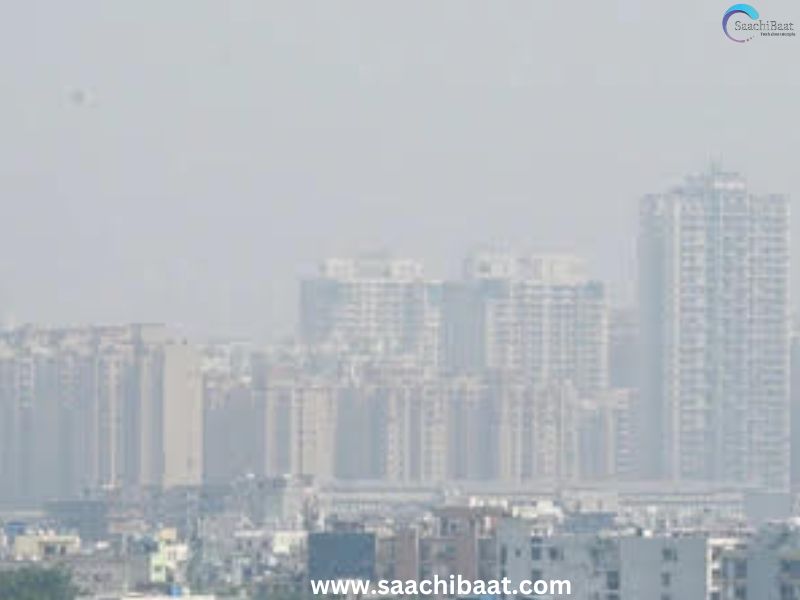
Despite repeated warnings from authorities and environmental experts, Delhi went on to celebrate a cracker-filled Diwali, with the night sky lit up by fireworks all over the city. As the festival of lights unfolded, the capital’s air quality, already hovering in the “very poor” category, deteriorated further, alarming those aspects related to health and visibility in many parts of the National Capital Region (NCR).
Fireworks defy restrictions
The Delhi government had prohibited the use and sale of firecrackers in an attempt to manage increasing levels of pollution. Despite the ban, however, most residents in suburbs like Lajpat Nagar, Dwarka, and Rohini flouted the order, exploding crackers throughout the night. The Delhi Police received hundreds of reports of violations, though enforcement was still challenging given high levels of involvement. Environmentalists were disappointed, terming the event “a setback to years of awareness efforts.
AQI dips following night-long festivities
Numbers from the Central Pollution Control Board (CPCB) revealed a sudden peak in the level of PM2.5 and PM10 after midnight, driving the Air Quality Index (AQI) in certain areas of Delhi well above 400, within the “severe” category. Anand Vihar, Wazirpur, and Jahangirpuri areas logged the highest level of pollution. Specialists cautioned that the situation would become more serious in the next 48 hours because of the absence of wind and the stagnant weather that keeps pollutants near the ground.
Health experts sound new alerts
Physicians have asked residents, particularly children, the elderly, and people with heart or respiratory illnesses, to stay indoors and skip morning walks. Long-term exposure to such poisonous air, they warned, may lead to asthma attacks, coughing, throat inflammation, and even permanent damage to lungs. Hospitals in Delhi have already seen an increase in patients reporting shortness of breath and eye problems since Diwali night.
Authorities gear up for post-Diwali cleanup
The Delhi government, in a bid to tackle deteriorating air quality, has implemented Stage II of the Graded Response Action Plan (GRAP). The measures include curb on construction, increased street cleaning, and monitoring of industrial emissions. Civic bodies have also been asked by officials to use water sprinklers and anti-smog guns over pollution hotspots.
Public appeal for responsibility
Chief Minister Arvind Kejriwal urged citizens to act responsibly and support the city’s efforts to improve air quality. He reiterated that tackling pollution requires public cooperation along with government action. Meanwhile, environmental groups called for stricter enforcement and stronger awareness campaigns to ensure that next year’s Diwali doesn’t leave Delhi gasping for breath once again.
As the celebratory sheen wears off, Delhi is now confronted with the all-too-familiar hangover — dense smog, clogged lungs, and one more reminder of the imperative to harmonize festivity with sustainability.
××××××××××××××
Telegram Link :
For latest news, first Hand written articles & trending news join Saachibaat telegram group
https://t.me/joinchat/llGA9DGZF9xmMDc1
