
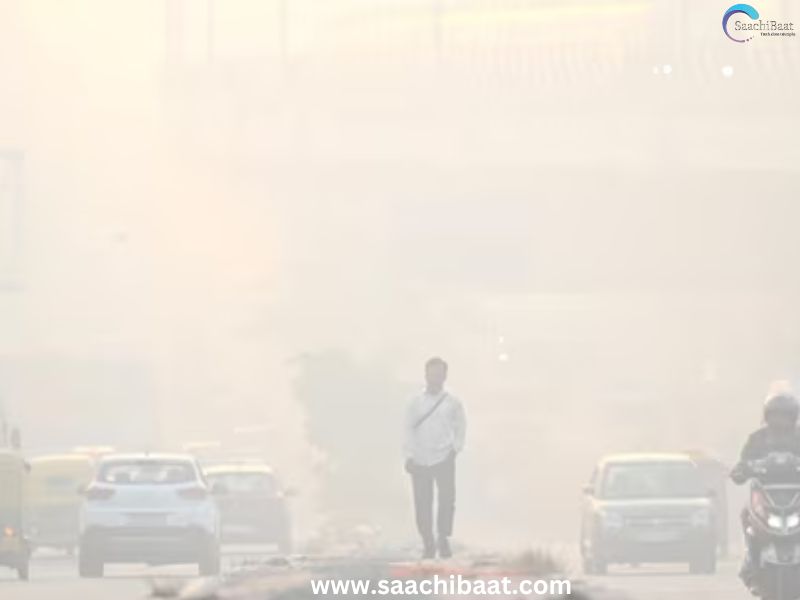
Delhi’s air quality took a turn for the worse as pollution levels entered the ‘very poor’ category on Tuesday. The city, which has been reeling from rising particulate matter since Diwali, saw several monitoring stations recording an AQI above 320. The dense smog and reduced visibility have once again raised health concerns among residents, especially for children, the elderly, and those with respiratory conditions.
Authorities on alert as weather worsens
Low wind speed and the residual effect of firecracker emissions and vehicular pollution suddenly triggered the deterioration, according to CPCB. Due to calm weather conditions, pollutants are not able to disperse as they are trapped close to the surface, resulting in a heavy haze over the entire NCR. The pollution levels are dangerously high despite the enforcement of measures under Stage II of GRAP.
No relief expected this week. Meteorologists have warned the air quality is unlikely to improve in the next few days as winds remain weak and temperatures dip further, thereby limiting pollutant dispersion. The Indian Meteorological Department has ruled out the possibility of rainfall, which could have helped wash away pollutants. With winter setting in, experts say that air quality may worsen further to reach the ‘severe’ category if emissions are not curbed. Government initiatives underway In response, governments have stepped up anti-pollution drives across Delhi, including checks on construction activities, restrictions on diesel generators, and penalties for open burning. The Delhi government has also called upon its citizens to use public transport and avoid unnecessary vehicular movement. However, environmental experts say that temporary measures alone will not help overcome the crisis and underline the need for long-term policy action targeting stubble burning and vehicular emissions. The public were urged to remain cautious. Health experts have advised people to limit outdoor activities, especially in the early mornings and late evenings, when pollution is at its peak. The use of N95 masks, air purifiers, and regular hydration has been prescribed to mitigate the effects of poor air quality. Without any immediate relief, Delhiites gear up for yet another prolonged battle against toxic air—a grim reminder of the city’s recurring winter pollution crisis.
××××××××××××××
Telegram Link :
For latest news, first Hand written articles & trending news join Saachibaat telegram group
https://t.me/joinchat/llGA9DGZF9xmMDc1
