
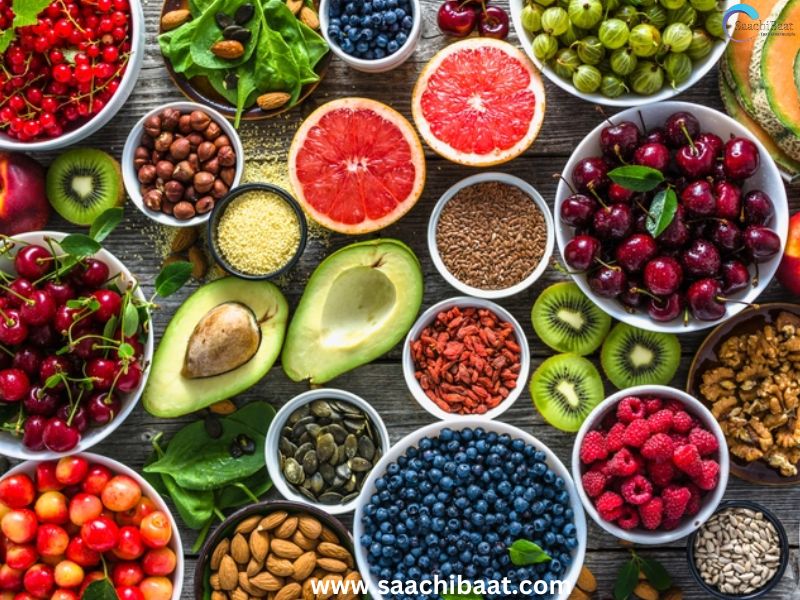
Science, technology and now artificial intelligence are pushing the boundaries of what nutrition can achieve. Big data is being used to study human health at scale, deep profiling is helping track early markers of disease, and biosensors are changing how we monitor well-being. Despite all these advances, one fundamental truth remains unchanged: we still need to eat food to survive and thrive. That said, even this may evolve. Recent developments suggest that a revolutionary protein has been produced from a single-cell organism using only air, water and solar energy, completely independent of traditional agriculture. If scalable, this could mark the beginning of food production literally “out of thin air”. While such innovations may shape the future, for now, it is the foods we already eat and how we view them that remain centre stage.
What makes a food ‘super’?
Growing up in Jamshedpur, the staple evening snack was almost always roasted makhanas (fox nuts). For years, I never thought of them as particularly special, until they were rebranded as a superfood.
This is the power of food marketing. Interestingly, the term superfood does not originate from nutrition science or any regulatory authority. It is largely a marketing construct used to describe foods that are nutrient-dense and associated with specific health benefits. Foods rich in antioxidants, fibre, healthy fats or bioactive compounds often earn this label.
Globally, blueberries, avocados and chia seeds have dominated this space. In India, amla (Indian gooseberry), haldi (turmeric) and kesar (saffron) have enjoyed their own moments in the spotlight.
One positive outcome of this cycle is that attention periodically shifts, allowing a wide range of nutrient-rich foods to be rediscovered. Fruits currently dominate the superfoods segment, accounting for roughly 38 per cent of market share, owing to their nutritional profile and versatility.
The ripple effects extend beyond consumption. Blueberries, once imported primarily from Peru, saw demand rise sharply. This prompted Indian farmers, particularly in Mahabaleshwar and the Nilgiris, to explore local cultivation. Today, blueberries are grown successfully in these regions, benefiting both farmers and consumers while reducing reliance on imports.
Superfoods, therefore, don’t just influence diets. They actively shape agricultural practices, supply chains and local economies.
A superfood universe beyond fruits
While fruits dominate the narrative, other food groups are equally deserving of the superfood label. Grains such as finger millet (ragi), legumes like chickpeas, and a wide range of seeds are exceptionally nutrient-rich and integral to traditional Indian diets.
Looking ahead, the global superfoods market is projected to grow at a robust pace in the coming years, a trend mirrored in India. As we move into 2026, the focus is shifting from expensive, exotic imports to foods that support gut health, mental well-being and planetary sustainability.
What’s shaping the superfood trends in 2026?
Several forces will shape how superfoods are marketed and consumed in the year ahead:
Food safety and clean labels
Consumers are increasingly attentive to ingredient quality, sourcing and transparency. Clean-label foods aligned with planetary health goals will be prioritised, with many consumers willing to pay a premium for trust and traceability.
Enhanced bioavailability
There will be growing emphasis on improving nutrient absorption from everyday foods. This will drive innovation through blending and integration. Functional ingredients will increasingly find their way into bakery items, pastas, snacks and staples.
Fibre takes centre stage
While protein remains important, dietary fibre (especially prebiotic fibre) will be a major focus in 2026. Prebiotics will feature prominently in breads, baked goods, chocolates, smoothies and even beverages. It is important to note that not all fibre is prebiotic; chicory root fibre, in particular, is expected to gain visibility. A cola containing prebiotic fibre is already on the horizon.
GLP-1-friendly foods
With GLP-1 receptor agonist drugs gaining prominence, foods designed to complement these therapies will see rising demand. Products targeted at the geriatric population are also likely to trend.
Minimal, gentle processing
Awareness around food processing will be at an all-time high. Gentle, sophisticated processing techniques that preserve nutritional integrity, across oils, grains and fruits, will be valued. Labels highlighting minimal processing and non-ultra-processed foods (non-UPFs) will strongly influence consumer choices.
Sugar reduction and novel sweeteners
With diabetes and obesity remaining persistent public health challenges, sugar reduction will continue to be a priority. New natural sweeteners such as brazzein and thaumatin will emerge, while monk fruit and stevia retain their place.
Botanicals and functional ingredients
Traditional botanicals such as holy basil (tulsi) and moringa will remain popular, while ashwagandha is set to become a star ingredient, particularly in sports nutrition.
The superfoods of 2026
In 2026, superfoods will increasingly appear in beverages, spreads, pastas, chocolates and even confectionery. Expect:
Amaranth to challenge quinoa
Pea protein to gain ground over whey
Functional mushrooms such as lion’s mane, reishi and cordyceps to feature prominently
Indigenous berries (phalsa, jamun, karonda) to gain recognition
Kokum, in particular, is poised to wear the superfood crown
Are you eating any of these superfoods yet?
Superfood promise vs. hype
While superfoods undeniably enhance dietary quality, they are not miracle cures. Their benefits are meaningful only when they form part of a balanced, varied diet. No single food can compensate for poor dietary habits. A bowl of kale, for example, cannot undo the effects of a junk-heavy diet.
Another persistent myth is that superfoods are always exotic or expensive. In reality, many local, affordable foods, such as fenugreek leaves, are among the most nutrient-dense available. These greens are rich in provitamin A, vitamins K and C, magnesium, fibre and omega-3 fats. Beans and legumes offer similar nutritional power at low cost.
Superfoods also do not guarantee effortless weight loss or disease reversal. What they do offer is an efficient way to bridge common nutrient gaps—vitamins, minerals, antioxidants and fibre—when consumed regularly and thoughtfully.
Ultimately, a balanced understanding of superfoods allows for informed choices that support long-term health rather than short-term hype.
Try this at home
Mushroom Coffee Brume: A hot, creamy, nourishing drink combining the goodness of functional mushrooms and coffee.
Ingredients
200g mushrooms (reishi or another functional variety)
2 bay leaves
2 tsp butter or olive oil
1 medium onion
6 cloves garlic
2 cups vegetable stock
Salt and pepper to taste
100 ml milk
½ tsp coffee powder
Method
Sauté the chopped onion and crushed garlic in butter until soft and translucent.
Add sliced mushrooms and bay leaves, cooking briefly.
Pour in vegetable stock and allow the mushrooms to cook thoroughly.
Remove from heat, discard bay leaves, and blend until smooth.
Return the mixture to the pan, bring to a gentle boil, and season.
Prepare coffee by blending milk with coffee powder.
Pour the mushroom blend into a cup, top with foamy coffee milk, stir and serve.
 |
Ms. Neelanjana Singh, Nutrition Consultant & Author |
