
🇮🇳 FACTS ABOUT BHARAT 🇮🇳
=======================
1-November -1956 Indian Govt re-organizes the states according to linguistic principles and inaugurates second Five-Year Plan. On November 1, Madhya Pradesh, Karnataka, Chhattisgarh, Haryana, Punjab, Kerala, Andhra Pradesh, Tamil Nadu state are observing formation day while Delhi, Chandigarh, Puducherry, Lakshadweep and Andaman and Nicobar were given the status of union territories on this day.
States Formed or Reorganized on 1 November
State / Union Territory Year of Formation Remarks
Andhra Pradesh 1956 Formed by merging Andhra State (1953) and Telugu-speaking areas of Hyderabad State.
Karnataka (then Mysore State) 1956 Formed under the States Reorganisation Act; renamed Karnataka in 1973.
Kerala 1956 Formed by merging Travancore-Cochin State with Malabar district and Kasaragod.
Madhya Pradesh 1956 Formed by merging Madhya Bharat, Vindhya Pradesh, and Bhopal State.
Punjab 1956 Reorganized; later divided to create Haryana (1966).
Haryana 1966 Formed by separating from Punjab.
Chhattisgarh 2000 Separated from Madhya Pradesh.
Uttarakhand (then Uttaranchal) 2000 Separated from Uttar Pradesh.
Jharkhand 2000 Separated from Bihar.
Lakshadweep (UT) 1956 Became a Union Territory on this date.
🛕 VEDIK GYAN
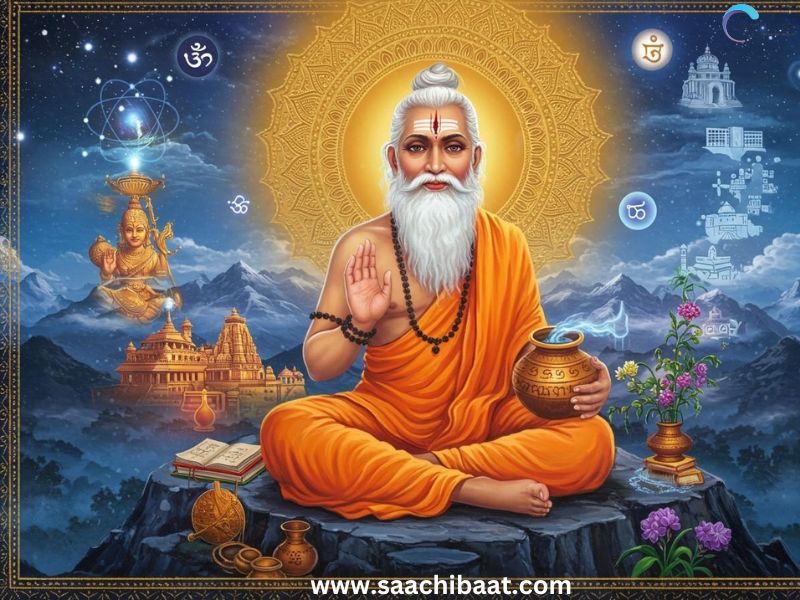
Agastya appears in numerous itihasas and puranas including the major Ramayana and Mahabharata. He is one of the seven most revered rishis (the Saptarishi) in the Vedic texts and is revered as one of the Tamil Siddhar in the Shaivism tradition, who invented an early grammar of the Tamil language, Agattiyam, playing a pioneering role in the development of Tampraparniyan medicine and spirituality at Saiva centres in proto-era Sri Lanka and South India.
Agastya is traditionally attributed to be the author of many Sanskrit texts such as the Agastya Gita found in Varaha Purana, Agastya Samhita found embedded in Skanda Purana, and the Dvaidha-Nirnaya Tantra text.
LEARN SANSKRIT
===================
अति सर्वनाशहेतुर्ह्यतोऽत्यन्तं विवर्जयेत्।
ati sarvanāśaheturhyato’tyantaṃ vivarjayet।
Excess is the cause of the ruin. Hence one should avoid it in any case.
अति सर्वनाश का कारण है।
इसलिये अति का सर्वथा परिहार करे।
××××××××××××××
Telegram Link :
For latest news, first Hand written articles & trending news join Saachibaat telegram group
https://t.me/joinchat/llGA9DGZF9xmMDc1
 |
Ms. Pooja, |
