
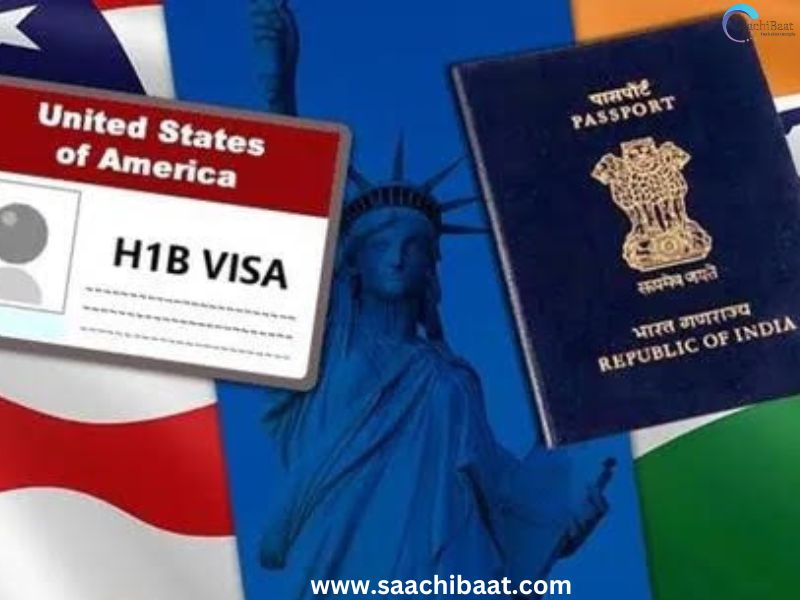
The latest adjustment in the fees for processing H-1B visas has brought new worries to employers and professionals working in the United States. The new fee structure, industry practitioners explain, results in the application fees being greater than the yearly incomes of a number of H-1B visa holders, particularly for those working at the ground level.
What the Fee Increase Means
The H-1B visa program has been the most coveted route for qualified foreign workers, mostly Indians. With the US government, however, raising filing and processing fees substantially, the onus has now fallen heavily on candidates and sponsoring firms.
Reports indicate that the filing fee—accounting for attorney’s fees, registration, and processing—now may surpass the yearly earnings of some employees, especially those who earn meager salaries in support or trainee positions.
Effect on Employees and Employers
For workers, particularly young professionals, this makes things uneven. Most new graduates who land H-1B employment through campus recruitments typically begin receiving wages that barely stretch to cover the cost of living in US cities. Now, with application fees skyrocketing above those salaries, the financial burden is clear.
Employers themselves are also suffering from the transition. Mid-sized companies and startups that depend on foreign talent might find it more challenging to sponsor employees, putting them at a disadvantage against big companies that have an easier time footing such expenses.
Industry Reactions and Concerns
Immigration experts counter that the dramatic increase may deter foreign talent from pursuing opportunities in the US. They observe that while the fee increase is explained as a way to simplify the system and eliminate backlogs, in fact, it may have an exclusionary impact.
Others even cautioned the shift threatens to drive skilled professionals to nations such as Canada, the UK, or Australia, where the immigration policies are friendlier and costs for work permits are lower.
Wider Implications
In addition to the financial burden, the new regulations question the future of the US labor market. Industries like technology, healthcare, and research—sectors highly reliant on H-1B skilled labor—could experience shortages if fewer candidates are willing or able to absorb the high fees.
With the debate heating up, demands are mounting for the US government to reopen the fee structure and strike a balance between administrative requirements and equity for workers and employers.
××××××××××××××
Telegram Link :
For latest news, first Hand written articles & trending news join Saachibaat telegram group
https://t.me/joinchat/llGA9DGZF9xmMDc1
